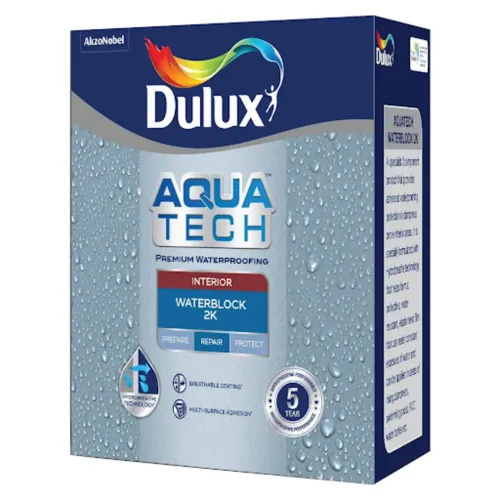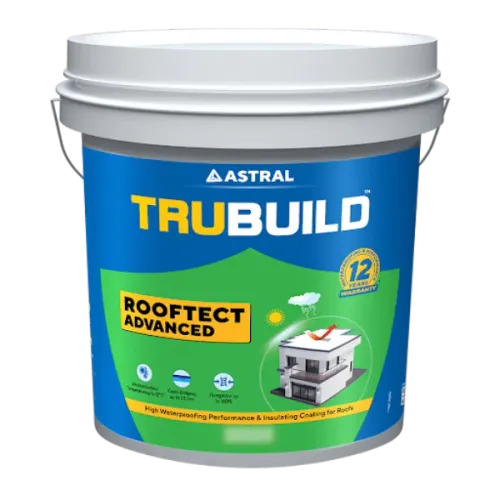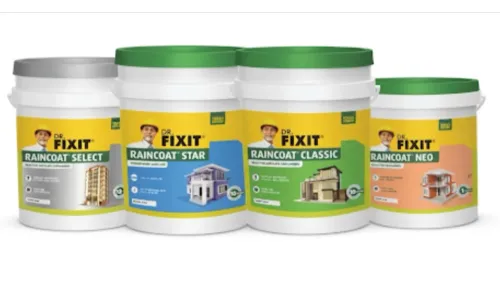
Waterproofing fails when the product is chosen before the source of dampness, water pressure, substrate condition and finished build-up are understood. By the end, you will be able to match the Dr. Fixit variant to the area, calculate the complete system, and check whether the materials and application conditions are suitable before you pay.
Key takeaways
- Find and repair the water source before choosing a waterproofing product.
- Match the exact Dr. Fixit variant to the surface and exposure.
- Clean, dry and repair cracks before applying a waterproofing coating.
- Confirm batch details, coverage, quantity and curing instructions with the dealer.
Where is the water coming from, and what must be repaired first?
Water follows a source, not a brand. Identify the source of dampness before selecting a waterproofing product, because roof leakage, terrace leakage, wall penetration and plumbing faults need different repairs.
1. Staining that appears after rain points to an exterior wall, parapet, roof or terrace defect. Check failed flashings, blocked outlets, inadequate drainage, ponding and open joints before applying a coating.
2. A damp patch directly below a pipe, trap or penetration suggests plumbing leakage. Repair the pipe and seal its penetration first; a surface film cannot stop water escaping under pressure.
3. White salts or powder near the base of a wall suggest rising damp from the ground. Compare drainage, damp-proofing and rising damp treatment comparison India guidance before choosing a coating.
4. Bathroom seepage appears below wet areas, around traps, thresholds or wall-floor junctions. Repair leaking fittings and waterproof the complete bathroom junctions, not just the visible stain.
5. Mould in a poorly ventilated room points toward condensation. Improve extraction, airflow and surface temperature control; waterproofing will not remove moisture produced indoors.
6. A visible crack needs classification. A shrinkage crack, moving construction joint, pipe penetration and active structural crack require different repairs, and a flexible coating cannot replace structural assessment or a designed joint seal.
Repair leaking pipes, blocked outlets, failed flashings and defective drainage first. Do not coat over a moving construction joint, leaking penetration, active structural crack or water entering under pressure.
Does the exact Dr. Fixit variant suit this surface and water exposure?
A brand name does not prove suitability. Dr. Fixit waterproofing product selection must match the substrate, direction of water pressure and exposure; check the technical datasheet for the exact variant and its approved use.
- Concrete roof slabs and balconies: confirm horizontal, exposed, above-ground use, standing-water resistance and UV exposure.
- Plastered exterior walls and parapets: confirm vertical, exposed, above-ground use and compatibility with the plaster.
- Bathrooms: choose a bathroom waterproofing product approved for wet areas, including floors, wall upstands and concealed zones.
- Foundations and masonry walls: verify underground use, concealed application and resistance to sustained dampness or hydrostatic pressure.
Do not treat occasional wetting as permanent immersion. A terrace coating is not automatically suitable for a buried foundation, retaining wall or water-holding structure.
Cementitious systems are commonly selected for concrete or masonry. Acrylic systems suit exposed above-ground areas when the datasheet permits that surface and UV exposure. Polyurethane and bituminous systems need closer checks for substrate dryness, UV protection, primer, curing conditions and detailing at joints, corners and penetrations.
Check the positive-side negative-side waterproofing rating. A basement or retaining-wall coating facing incoming water needs a system tested for negative-side pressure, not merely one applied on the water-facing side.
For a water tank, roof, foundation or damp-proofing approval proves nothing about drinking-water contact. Confirm that the exact product and cured system are approved for potable water.
Is the substrate ready, and is the problem a coating repair or a crack repair?
1. Test the substrate before buying the membrane. Remove loose paint, laitance, dust, oil, salts, curing compounds and algae; then expose a sound surface. Include repair mortar for honeycombs and open joints, and plan hollow plaster repair rather than coating over drummy areas.
Exposed or rusted reinforcement needs corrosion cleaning and a specified repair treatment before waterproofing.
2. Complete waterproofing surface preparation at junctions and details. Form a sound floor-to-wall cove or fillet where the system instructions require it. Use mesh at joints, transitions or crack lines only where the approved system specifies reinforcement; use sealant for moving joints and pipe penetrations, and repair mortar for voids and damaged concrete.
These parts are not interchangeable.
3. Perform crack repair before waterproofing. Record each crack’s width, movement and location: a small non-structural shrinkage crack differs from a moving construction joint, pipe penetration, leaking construction joint or structural crack. Cracks wider than 2 mm and active movement require assessment and a designed repair, not just a flexible surface coat.
Check the pack for the substrate moisture limit: it may require dry concrete, damp concrete or a stated moisture reading. Applying moisture-sensitive polyurethane, epoxy or similar products to the wrong substrate can cause blistering, foaming, debonding or slow curing.
What must the dealer document before you accept the product?
Before accepting payment, get a paper or digital record that identifies the exact product name and variant, not merely “Dr. Fixit waterproofing.” Ask Shree Paint Studio to provide the current waterproofing technical datasheet, waterproofing safety data sheet and application instructions.
- Confirm coverage or consumption, mixing ratio, primer requirement, number of coats, coat thickness, recoat interval, curing time and total system thickness.
- Check every sealed container for an intact seal, legible Dr. Fixit batch number, manufacturing date, expiry or use-by date and storage instructions.
- Reject containers showing swelling, leakage, skinning or freezing. Do not accept an old or repackaged component in a two-part system, catalyst or measured-ratio product.
| Component | What the dealer must prove | Risk if missing |
|---|---|---|
| Primer and membrane | Compatibility and inclusion in the approved system | Poor adhesion or blistering |
| Mesh, sealant and repair mortar | Correct grade and compatible curing method | Cracks or failed joints |
| Adhesive and protective topcoat | Compatibility with the cured membrane | Softening, debonding or puncture |
| Warranty | Written waterproofing warranty terms and named issuer | A verbal promise has no defined remedy |
Ask whether the warranty comes from the manufacturer or the installer’s complete system. Mixing products from different systems can invalidate it, even when each container is genuine. The documents should also state substrate limits, required protection and whether the system is approved for drinking-water contact.
Related products
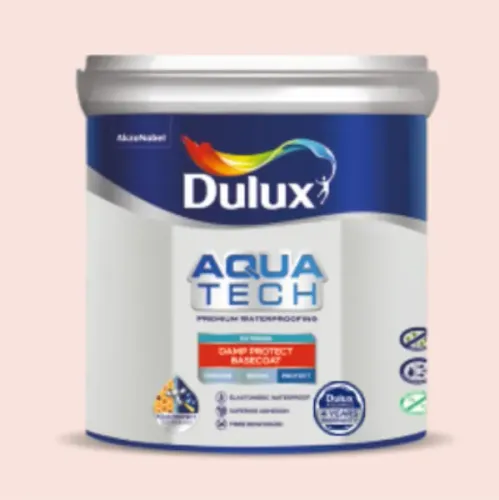
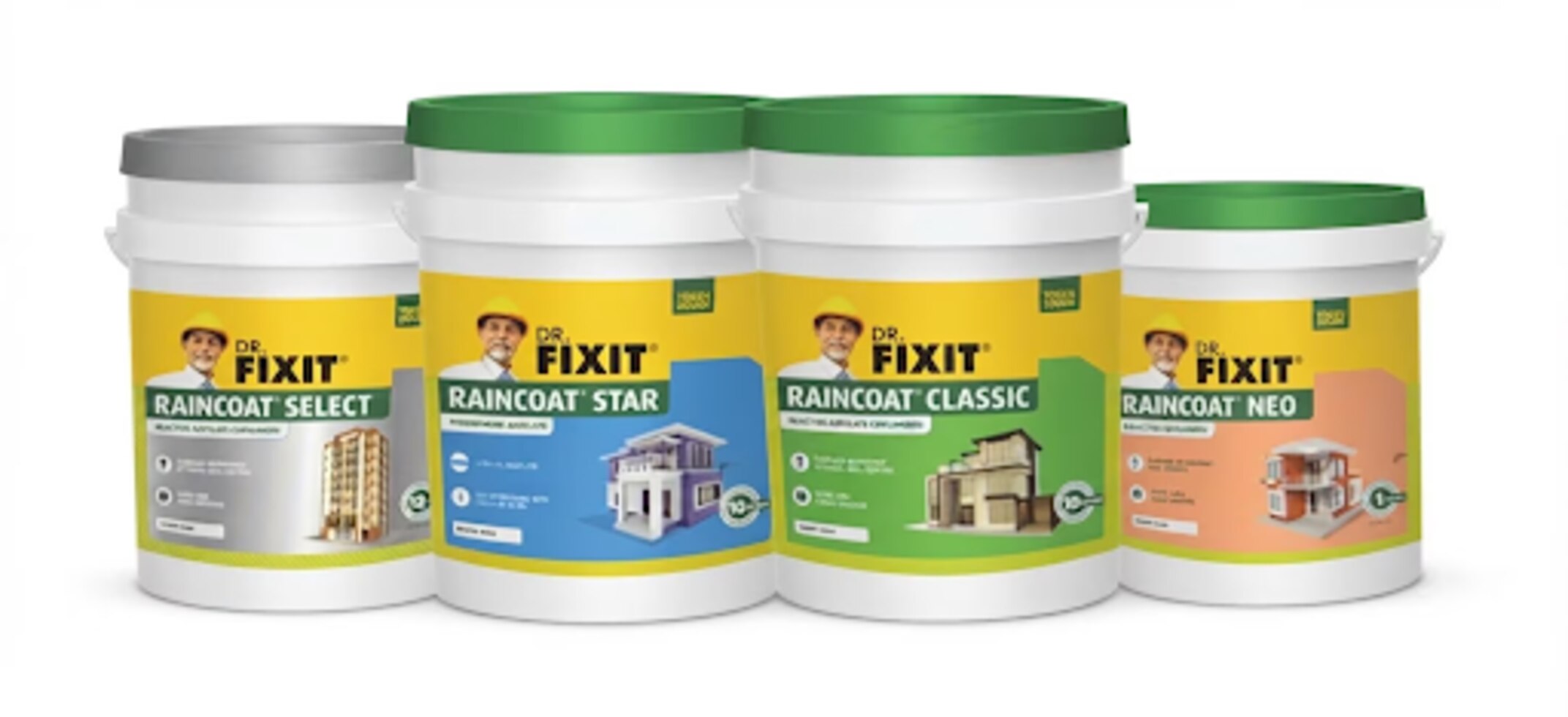
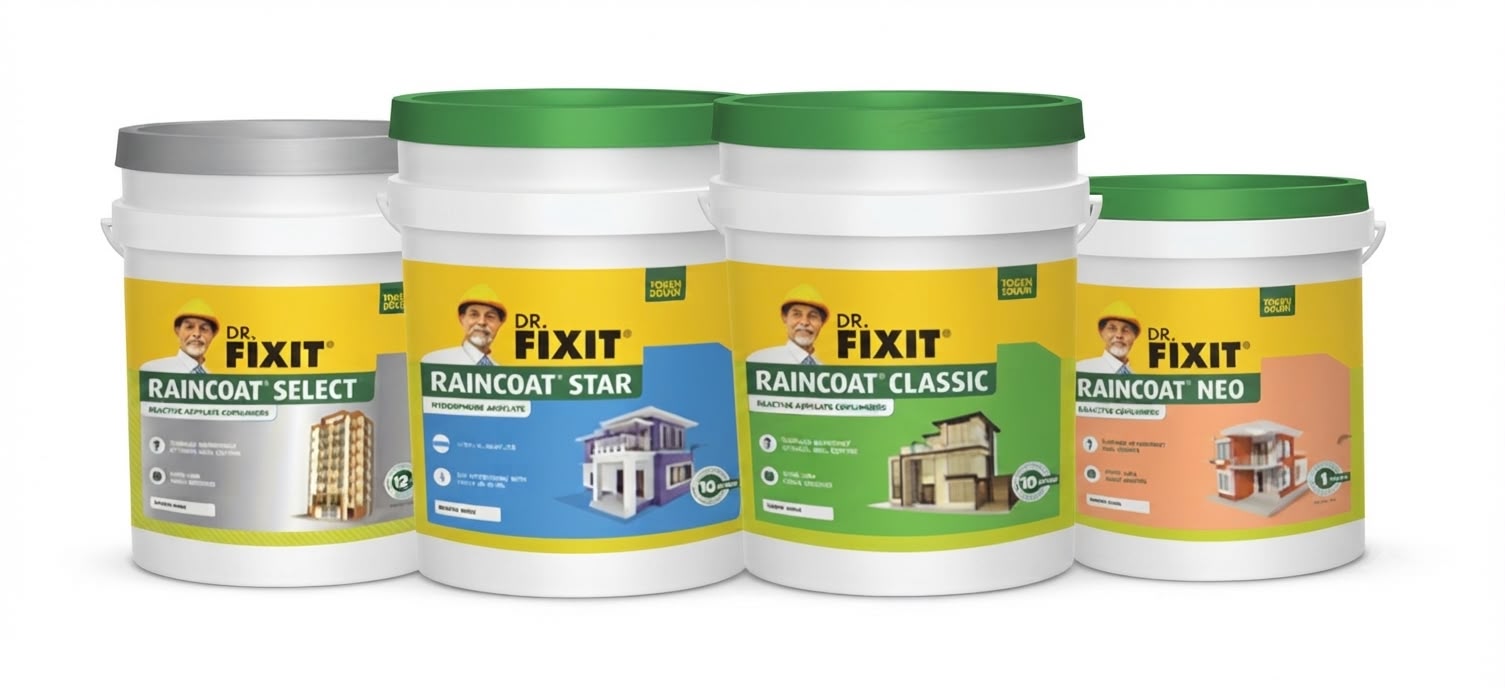 | Dr.Fixit * *Waterproof Coating: All products are designed to create a waterproof barrier for exterior walls. View product → |
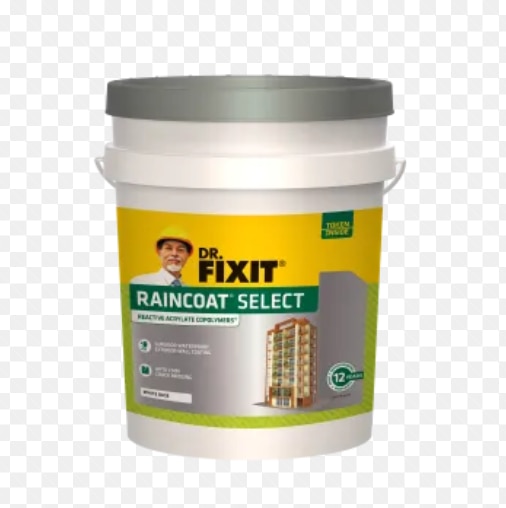 | Dr.Fixit Elastomeric & Flexible: Most coatings have 40-50% to >300% elongation. View product → |
How much material, curing time and protection does the finished system need?
Buy enough for the specified system thickness, not the container’s headline coverage. Waterproofing coverage per litre changes with surface roughness, porosity and the application tool; performance depends on the required waterproofing dry-film thickness or material quantity per square metre.
1. Measure each surface area and follow the datasheet’s consumption rate. Add material for coves, cracks, outlets, pipe penetrations and uneven profiles; do not estimate from container size. Record the number of coats, coat thickness and recoat interval.
2. Set the waterproofing curing time before scheduling work. Protect the membrane from rain, direct sun, wind and traffic, and check the datasheet’s limits for humidity and surface temperature. Covering or flooding it early can cause blistering, softening or debonding.
3. On a terrace or roof, confirm falls, drainage outlets, parapets, expansion joints, pipe penetrations and termination details before coating. Remove ponding risk, then include protection from later screed, tiles, sharp edges and construction traffic; add a protection board, screed or UV-resistant topcoat when the system requires it.
4. In a bathroom, continue the system across the floor, wall upstands, thresholds, traps and pipe penetrations. Tile adhesive, grout and sanitary sealant do not replace continuous waterproofing.
Before tiles or screed conceal the work, arrange an inspection and agree a terrace ponding test or controlled flood test after full cure, only if the datasheet permits it.
Frequently asked questions
Where is the water coming from before buying waterproofing products?
Trace the source first. Roof leakage, terrace leakage, wall penetration and plumbing faults require different repairs, so do not choose a product based only on the visible damp patch.
How do you choose the right Dr. Fixit variant?
Match the exact product variant to the substrate and water exposure described on its technical data sheet. Check whether it is intended for concrete, masonry, terraces, roofs, bathrooms or another specific application.
What surface preparation is needed before waterproofing?
Remove dust, loose paint, laitance, oil and algae, then repair holes and active cracks with the specified repair material. A coating does not replace structural crack repair or a plumbing fix.
What should a dealer document before you accept the product?
Ask for the exact product name, batch number, manufacturing date, shelf life, sealed packaging and invoice. Keep the technical data sheet and application instructions for the product you purchased.
How much material and curing time does waterproofing require?
Calculate quantity from the stated coverage per coat, number of coats and surface area. Follow the product instructions for drying, curing, recoating and protection from rain, foot traffic or standing water.