The right wall paint depends on more than colour: location, moisture, sunlight, surface condition, room use and the finish you want all change the recommendation. By following a dealer-led diagnosis, you can compare sheen, identify preparation work and order a compatible Dulux coating system instead of choosing a paint can in isolation.
Key takeaways
- Check damp, loose plaster and surface defects before choosing paint.
- Use washable finishes in busy rooms and weather-resistant systems outdoors.
- Follow the full sequence: repair, clean, prime and apply the topcoat.
- Confirm colour, coverage, pack quantity and compatibility before buying.
Start with the Wall, Not the Paint Shade
A sound wall comes before a suitable colour. The choice between interior versus exterior paint depends on the wall’s location, exposure to rain and sunlight, ventilation, and condition—not on shade alone. A premium topcoat will not adhere reliably to damp, dusty or loose material.
Use this wall diagnosis before accepting a recommendation:
- Identify the substrate: plaster, cement render, drywall, previously painted masonry, wood or metal. Each surface needs a compatible preparation method and primer.
- Check for chalking, flaking, cracks, efflorescence, fungus and damp patches. White, powdery deposits usually indicate salts carried through masonry by moisture; remove them and correct the water route before painting.
- Find the source of moisture. Repair roof leaks, plumbing faults, drainage problems, rising damp or water entering through cracks before applying paint. Exterior coatings can reduce rain penetration, but they cannot replace structural or plumbing repairs.
- Measure the actual wall area and note texture and colour. Porous plaster, rough cement render, dark-to-light changes and roller application consume more paint than a smooth, sealed wall, so published coverage is only a planning estimate.
- Specify the complete system: preparation, primer, undercoat where required, topcoat, coat count and recoat interval. Do not mix products from separate systems unless the manufacturers confirm compatibility.
Finally, test the chosen colour on the actual wall. View the dried sample in daylight and artificial light before ordering.
Match Sheen and Paint Type to the Room
Wall location and room use come before colour. Use exterior paint on walls exposed to rain, sunlight and temperature changes; interior paint belongs on protected surfaces. A kitchen or bathroom needs better washability and ventilation than a bedroom, while a staircase needs a finish that tolerates repeated contact.
Do not use sheen to hide dampness, peeling, cracks or chalking.
| Finish | Cleaning and appearance | Best use |
|---|---|---|
| matte paint | Lowest glare; conceals minor ridges and patch marks, but shows stains and cleans less easily | Bedrooms, ceilings and lightly used living areas |
| mid-sheen paint | Balances reduced glare with easier wiping; reveals some sanding and texture defects | Living rooms, children’s rooms, corridors and staircases |
| high-sheen paint | Reflects more light, cleans readily and exposes uneven plaster, ridges and touch-up differences | Trim, doors and smooth high-contact surfaces |
The same colour can look noticeably lighter, darker or more reflective as sheen changes. Apply a sample to the actual wall, let it dry, and view it in daylight and artificial light before ordering; a colour card cannot show the effect of texture and glare.
- Kitchen: choose washable kitchen paint מפ for grease and frequent wiping, but fix leaks and improve ventilation first.
- Bathroom: use a washable, moisture-tolerant interior coating on sound, dry walls; paint will not stop water entering through cracks.
- Bedroom: choose matte paint when low glare and a softer appearance matter more than frequent cleaning.
- Children’s room: choose mid-sheen paint for easier cleaning without the glare of a high-sheen finish.
- Exterior wall: choose a coating rated for masonry and local weather exposure, not an interior emulsion.
Separate Moisture and Surface Defects from Paint Failure
Paint is the last step, not the cure for a wet or unstable wall. A premium coating will fail on damp plaster, dusty surfaces or loose material, so identify the defect before choosing a colour or finish.
- Damp patches that feel cool, return after drying, or spread after rain indicate active moisture. Check plumbing, roof edges, gutters, drainage and rising damp; repair the source before painting.
- White, powdery deposits are usually efflorescence: salts carried through masonry by water. Brush them off dry, allow the wall to dry, and correct the moisture route. Painting over them commonly causes renewed staining or peeling.
- Hairline cracks need cleaning and filling before a compatible primer and topcoat. A flexible exterior coating can bridge small, static cracks only within its stated limits; moving joints, wide cracks or cracks that reopen need sealant or structural repair.
- Peeling paint means the old coating or the surface beneath it is unsound. Scrape back to a firm edge, remove dust and chalk, repair uneven plaster, and prime before repainting.
Fungal or black growth calls for a mould treatment and improved ventilation, not another coat of paint. A water-resistant exterior coating can reduce rain penetration, but it cannot replace terrace waterproofing, plumbing repair or a membrane system for a basement or continuously wet area.
Ask for a surface inspection that identifies the wall as plaster, cement render, drywall or previously painted masonry. Choose paint only after the wall is dry, sound, clean and properly prepared.
Build the Correct Preparation and Coating Sequence
A durable paint job follows the wall’s condition, not the colour choice: correct moisture, complete surface preparation, prime the substrate, apply any required undercoat, then finish with compatible topcoats at the stated recoat interval.
1. Fix the source before painting. Repair roof, plumbing, drainage or structural cracks, and allow the wall to dry. Remove efflorescence, the white powdery salt deposit, and treat fungus. Exterior paint is not a substitute for terrace waterproofing or a leaking pipe.
2. Make the surface sound. Scrape peeling or chalking paint, remove dust and grease, and repair uneven plaster. Use crack filler for stable hairline cracks, then apply wall putty where a smoother interior finish is required. Sand, dust off and ensure the surface is dry before priming.
3. Choose primer for the substrate and defect. New plaster needs an alkali-resistant primer after its recommended curing period. Use stain-blocking primer for water or smoke marks, adhesion primer for glossy surfaces and corrosion-resistant primer for ferrous metal. Do not cover active dampness with primer.
4. Apply the manufacturer’s compatible undercoat when the system specifies one, followed by the recommended number of topcoats. Keep products within one system unless the manufacturers confirm compatibility, and observe each product’s recoat interval.
For exteriors, select a coating rated for ultraviolet exposure, rain and temperature movement; use elastomeric coatings only for static hairline cracks within stated limits.
Use the Dealer to Confirm Colour, Quantity and Compatibility
Before placing the order, a Dulux dealer can verify three costly decisions: the colour under your lighting, the litres required for the specified coats, and whether every layer will work together on your wall.
1. Take the measured wall area, openings, texture and existing surface for a paint coverage calculation. Ask for the number of coats and recoat interval, not just a can count. Porous plaster, textured walls, roller application and a dark-to-light change can use much more paint than a smooth, sealed wall.
2. Test the colour on the actual wall with a sample patch. Let it dry fully, then view it in daylight and artificial light from different angles. The same colour changes noticeably with matt, satin or high-sheen paint; a card cannot show how texture and glare will affect it.
3. Request a complete, compatible coating system: preparation, primer, undercoat where specified, topcoat, number of coats and recoat interval. Do not combine products from different systems unless the manufacturer permits it. Ask the dealer to check whether the old coating is sound and compatible before ordering.
A dealer should also separate water-resistant exterior paint from a waterproofing system for terraces, basements or continuously wet areas. Shree Paint Studio can help compare the Dulux system with the preparation materials needed for the specific wall, rather than treating the topcoat as the entire solution.
Related products
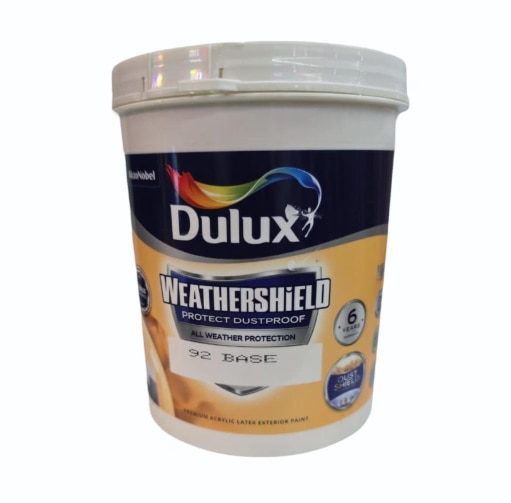 | Dulux Paint Dulux Weathershield Protect Dustproof Product Description Dulux Weathershield Protect Dustproof (upgrade of Dulux Weathershield Protect) is a premium exterior acrylic emulsion specially... View product → |
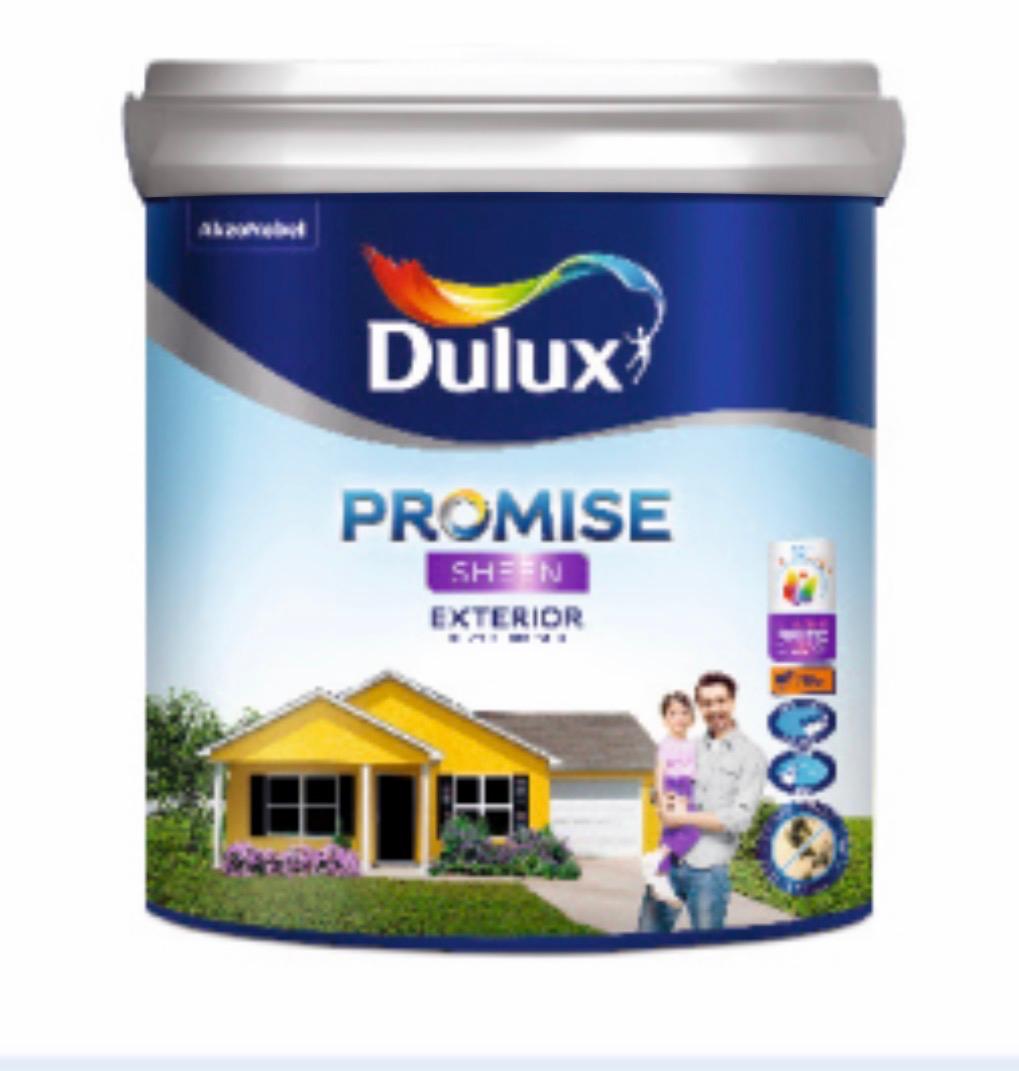 | Dulux Paint Product Description Dulux Promise Sheen Exterior Emulsion is a high quality, water based smooth emulsion paint which provides high sheen to your... View product → |
Frequently asked questions
Should you choose the paint shade before inspecting the wall?
No. Inspect the wall’s location, moisture exposure, sunlight, ventilation and condition first. Damp, dusty or loose surfaces can prevent even a premium topcoat from adhering.
How do you match paint type and sheen to a room?
Match the coating to room use, cleaning needs and exposure. Interior rooms need products suited to indoor conditions, while exterior walls need protection against rain and sunlight.
Does paint failure always mean the paint is defective?
No. Moisture, loose material, dust and surface defects can cause peeling or poor adhesion. Fix the underlying wall problem before repainting.
What preparation and coating sequence should you follow?
Repair defects, remove dust and loose material, allow the surface to dry, apply the suitable primer, and then apply the specified topcoat.
What should you confirm with a Dulux paints dealer before buying?
Confirm the final colour, expected coverage, number and size of packs, preparation products, and compatibility between the primer and topcoat.
Related products
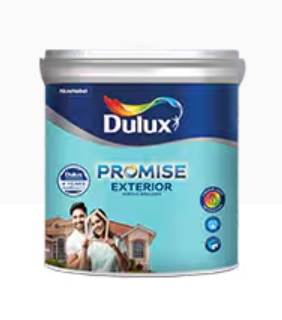 | Dulux Paint Product Description Dulux Promise Exterior Emulsion is a high quality, water based smooth emulsion paint. View product → |
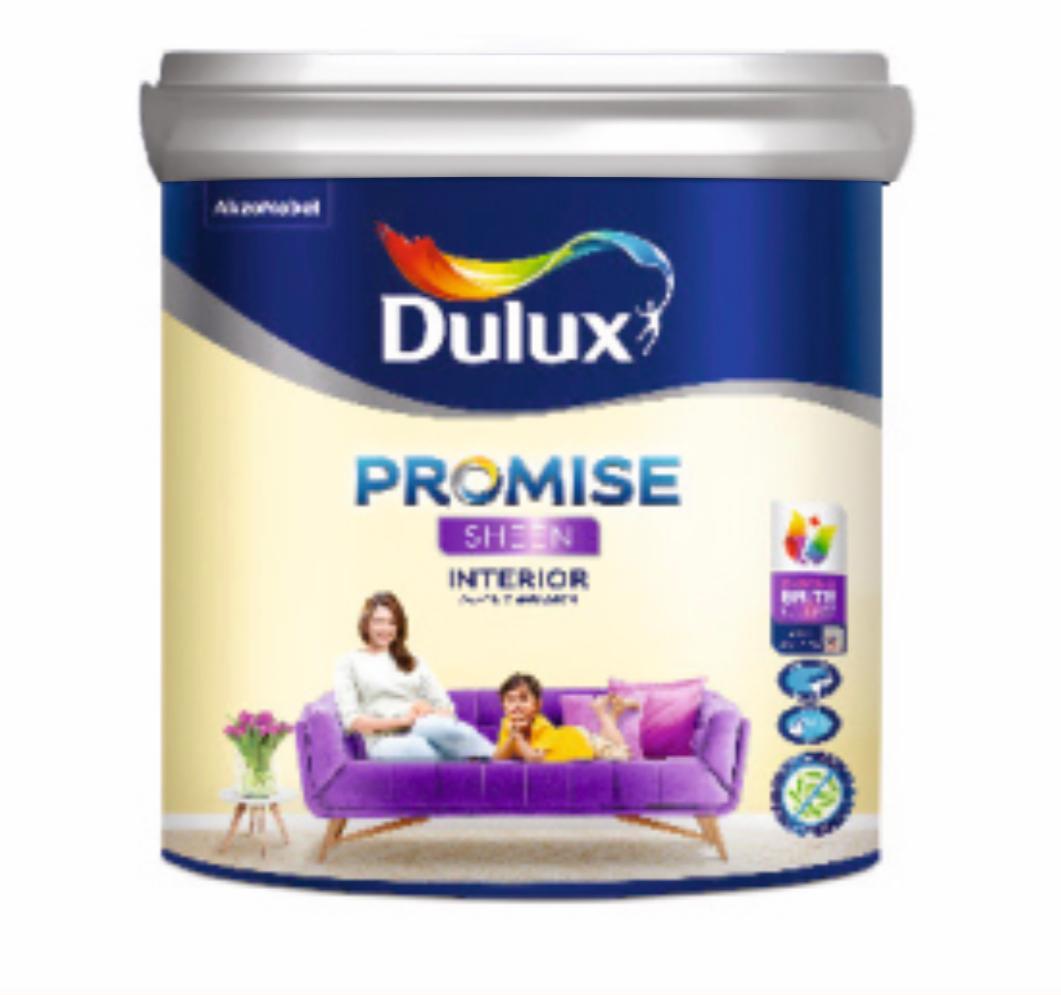 | Dulux Paint Product Description Dulux Promise Sheen Interior Emulsion is a high quality, water based acrylic emulsion paint which provides high sheen to your... View product → |
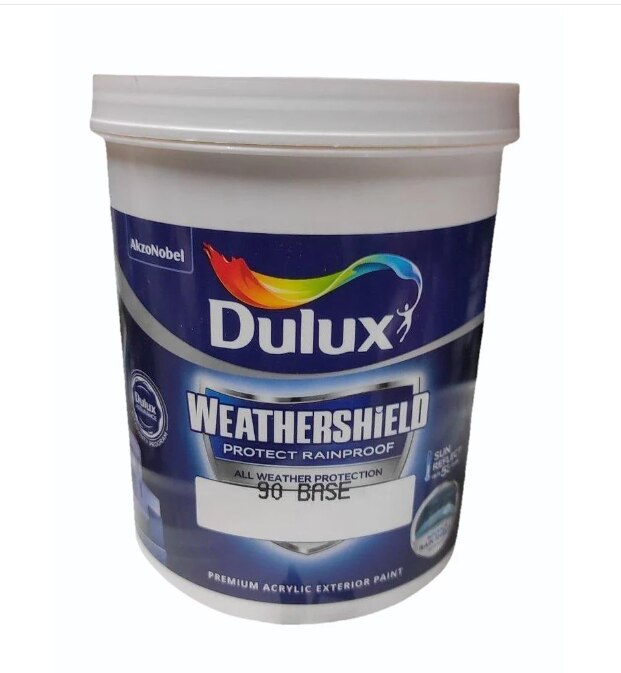 | Dulux Paint Dulux weathershield protect rainproof Product Description Dulux Weathershield Protect Rainproof is a premium exterior emulsion specially designed for protection against the extreme... View product → |
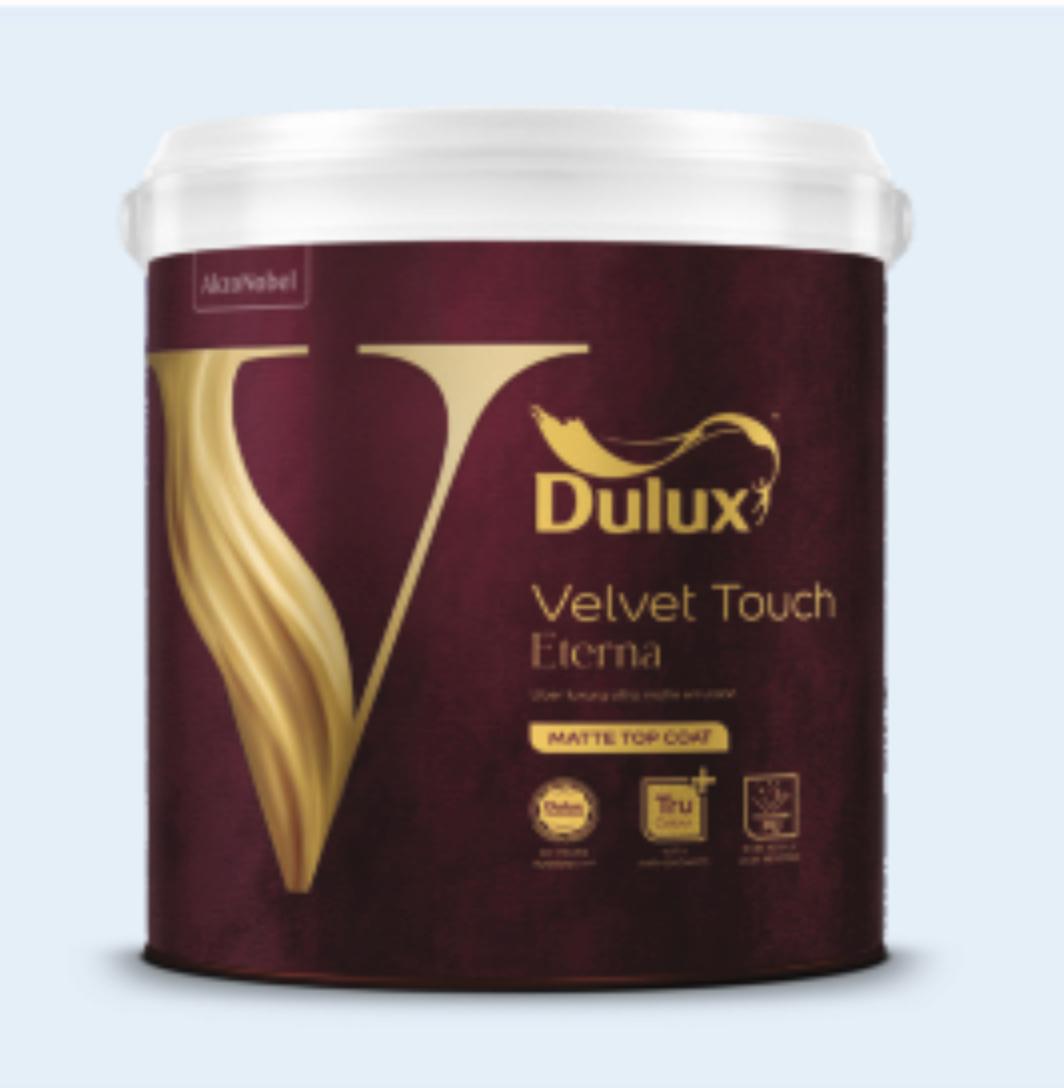 | Dulux Paint Dulux velvet touch eterna matte Experience the epitome of luxury with Dulux Velvet Touch Eterna – an uber luxury emulsion paint that delivers a mid-sheen and an ultra-smooth finish... View product → |