Exterior paint selection starts with the wall, not the colour card or the level of sheen printed on the pack. By checking the substrate, exposure, moisture, existing coating and surface defects, you can choose a finish that looks right, lasts longer and does not conceal a problem that requires repair.
Key takeaways
- Match the finish to wall texture, weather exposure and surface use.
- Use matt finishes to reduce glare and hide minor surface irregularities.
- Repair dampness, cracks, peeling paint and powdery surfaces before painting.
- Test the colour and finish on the façade before approving full application.
What does a dealer check on an exterior wall before recommending paint?
A suitable exterior finish depends on the wall beneath it, not just the colour you prefer. An Asian Paints dealer’s exterior wall assessment checks the wall orientation, substrate, weather exposure and existing damage before selecting a primer and topcoat.
- Identify the cement plaster substrate, concrete, previously painted masonry, wood or metal. Each needs compatible primers, fillers and coatings; a masonry primer will not protect a metal grille.
- Check whether new plaster or concrete has cured for at least 28 days and is actually dry. Thick plaster, rain and poor ventilation can extend the wait.
- Record wall orientation and sun exposure. North-, east-, south- and west-facing walls receive different heat loads; sun exposure shapes exterior paint choice. Dark, saturated colours can heat and fade faster on intensely exposed façades.
- Look for monsoon splash, dust, pollution, algae, salt deposits, damp patches, cracks, flaking and chalking. Rub a dark cloth over an old coating; powder indicates weak adhesion that must be removed before priming.
| Wall condition | Primer or preparation | Finish implication |
|---|---|---|
| Sound, dry plaster | Exterior alkali-resistant primer | Smooth matt or low-sheen finish |
| Porous or rough plaster | Penetrating or filling preparation, then primer | Extra coats and higher consumption |
| Damp, salt-stained or algae-covered wall | Find the leakage, remove deposits and treat algae first | Do not seal the problem under paint |
| Metal railing or grille | Remove rust and use a metal primer | Use a compatible metal topcoat, not masonry paint |
A glossy finish cannot correct movement, dampness or loose powder. Finish selection follows the repair.
How do matt, soft-sheen, sheen and high-sheen finishes change the wall’s appearance?
A matt exterior finish reflects little light, so colour appears softer and minor plaster irregularities attract less attention. Higher sheen increases reflected light and makes the wall look sharper, but it also exposes more flaws.
| Finish | Glare and colour | Cleaning | Visibility of defects |
|---|---|---|---|
| Matt | Lowest glare; colour looks muted and even | Washability depends on the formulation, not the low sheen alone | Best at disguising fine undulations, trowel marks and small repairs |
| Soft-sheen | Mild reflection; colour appears slightly stronger | Easier to wipe when the product is rated for exterior washing | Reveals larger patches and uneven texture |
| Sheen | Noticeable reflection; colour looks brighter in direct sun | Usually easier to clean, subject to the product data | Makes roller marks, plaster waves and repairs more obvious |
| High-sheen | Strong glare; colour shifts visibly with viewing angle and sunlight | Simplest to wipe, if designed for exterior exposure | Shows exterior paint surface defects, edges and application marks most clearly |
Comparing sheen versus high-sheen paint, the difference is most visible on broad walls facing the sun: high-sheen surfaces produce stronger highlights and make colour variation harder to ignore. Dust, pollution and splash marks also stand out against a reflective surface.
Do not choose by sheen alone. Check the label for exterior use, recommended substrate and wash or scrub resistance. Paint a test patch over a repaired area, let it dry, and inspect it in morning and afternoon light before committing to the façade.
Which exterior finish suits plaster, parapets, balconies, compound walls and railings?
Choose smooth matt exterior paint for plaster walls when the surface is sound and you want minor undulations, trowel marks and repairs to recede. Match the coating system to the substrate and the problem, not only to the colour.
| Surface | Suitable finish or system | Why and caution |
|---|---|---|
| Cement-plastered façade | Smooth matt or low-sheen exterior acrylic | Hides small defects and reduces glare; use an exterior masonry primer, not an interior primer. |
| Textured plaster | Fine textured exterior coating | Conceals slight variation, but deep texture traps dust and makes patch repairs obvious. It cannot bridge structural cracks. |
| Parapet and exposed concrete | Elastomeric coating for sound surfaces with hairline movement | A practical parapet wall coating where rain and temperature movement matter; it is not a remedy for active leakage. |
| Leaking or persistently damp parapet | Cementitious waterproofing or a specified membrane system, then compatible topcoat | Waterproofing must stop the water first; paint over damp concrete will blister or peel. |
| Balcony walls | Low-sheen acrylic or elastomeric balcony wall paint | Choose elastomeric protection where hairline cracks and driving rain are present; repair loose plaster before coating. |
| Compound walls | Matt acrylic or a washable textured compound wall finish | Matt hides uneven masonry; texture adds visual variation but collects more dust near roads. |
| Metal railings and grilles | Anti-corrosive metal primer plus compatible exterior metal topcoat | Remove rust and loose coating first; masonry paint will not protect steel for long. |
A glossy finish cleans more easily but highlights ridges and patch edges. Use a small dried test patch before committing, especially over dark paint, repairs or mixed batches. A waterproofing coating is not a decorative substitute for exterior paint, and a textured coating is not a crack-repair system.
What preparation does the wall need before an exterior finish is applied?
Preparation must remove unsound material and stop moisture before any exterior finish is applied. Exterior wall surface preparation is not a thicker coat of paint; it is the process of giving the coating a clean, dry, stable surface.
1. Check adhesion. Scrape blistered, peeling or hollow-sounding paint. Rub a dark cloth or your palm across the wall; a heavy white powder indicates chalking. Remove loose powder and failed coating, then clean and dry the surface. Paint applied over chalk will lose adhesion regardless of its advertised durability.
2. Identify biological growth. Green, black or slimy patches indicate algae or fungal growth, especially on shaded walls and areas receiving monsoon splash. Complete algae treatment exterior walls with an appropriate biocidal cleaner, scrub, rinse and allow the wall to dry before priming.
3. Look for salts and moisture. White crystalline deposits indicate efflorescence; bubbling paint, damp patches, mouldy odour or a darker band near the floor indicate dampness. Do not seal either condition with paint. Trace the water source first.
4. Classify cracks. Fill stable hairline cracks with a compatible exterior filler as part of crack repair before painting. Stop if a crack widens, recurs, runs in steps through masonry, crosses beams or columns, or appears with displacement; obtain structural investigation instead of applying a thicker decorative coat.
5. Match the primer to the substrate. A sound cement wall may need an alkali-resistant primer, while metal, wood and stain-blocking problems need different systems. Shree Paint Studio can help separate a paint-preparation job from a leaking parapet, failed waterproofing or plumbing repair.
Related products
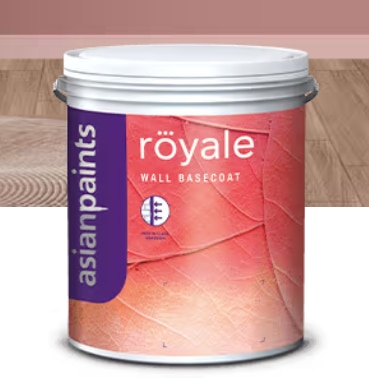 | Asian Interior Wall Paints Get long-lasting spark on your walls, as we offer nothing but the best. View product → |
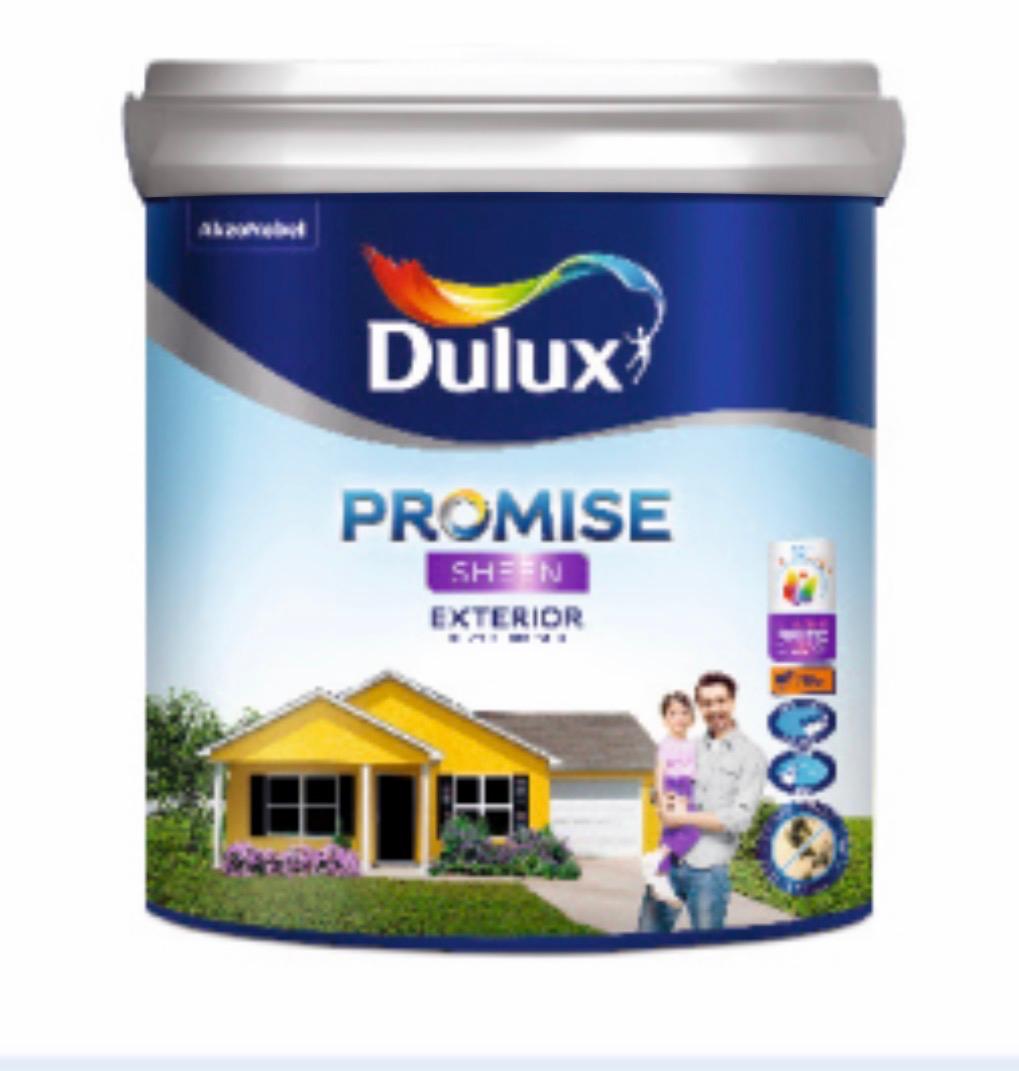 | Dulux Paint Product Description Dulux Promise Sheen Exterior Emulsion is a high quality, water based smooth emulsion paint which provides high sheen to your... View product → |
How can you confirm the finish, colour and application plan before painting the whole façade?
Confirm the finish, colour and application plan on the wall before ordering the full quantity. A measured exterior paint coverage calculation is more reliable than the theoretical figure printed on the container: porous plaster, rough texture, colour changes and extra coats increase actual consumption.
1. Measure each façade separately, subtracting windows and doors, and record the substrate condition. Ask for the estimated litres, number of coats, roller or spray method and expected actual coverage, not just the pack’s nominal coverage.
2. Apply an exterior paint test patch large enough to judge texture and sheen, especially over repairs or when changing from a strong colour to a pale one. Check the colour after drying; wet paint can look deeper, while different batches can produce visible variation.
3. View the patch in morning sun, afternoon shade and artificial light. Light exposure changes perceived colour and reveals roller marks, uneven hiding and glare from a sheen finish.
4. On a sun-facing wall, consider dark colour solar heat: saturated dark shades absorb more radiation, heating the coating and wall. A lighter or solar-reflective colour can reduce heat gain and make fading less noticeable.
5. Schedule the work around the product’s specified temperature, humidity and recoat limits. Treat exterior painting weather conditions seriously: avoid rain, visibly damp walls and condensation, or trapped moisture can cause whitening, blistering and poor adhesion.
Leave the patch for the full drying period before approving the whole façade.
Frequently asked questions
What does a dealer check on an exterior wall before recommending paint?
The assessment considers wall orientation, substrate, weather exposure, existing paint, dampness, cracks, peeling and surface damage before selecting a primer and topcoat.
How do matt, soft-sheen, sheen and high-sheen finishes differ?
Matt produces minimal reflection and hides minor irregularities; soft-sheen adds gentle light reflection; sheen looks more lustrous; high-sheen creates the strongest reflection and highlights surface defects.
Which exterior finish suits plaster, parapets, balconies, compound walls and railings?
Textured plaster and broad walls usually benefit from lower-reflection finishes, while parapets and compound walls need finishes suited to their exposure and cleaning needs. Balconies and railings require a compatible system for their specific substrate, such as masonry or metal.
What preparation does an exterior wall need before painting?
Remove loose and peeling paint, clean dust and biological growth, repair cracks, resolve water seepage, allow the surface to dry, and apply the specified primer before the topcoat.
How can you confirm the finish, colour and application plan before painting the whole façade?
Request a written plan naming the products, number of coats, finish, colour code, primer, surface preparation and application method, then inspect a test patch in daylight before approving the full façade.
Related product
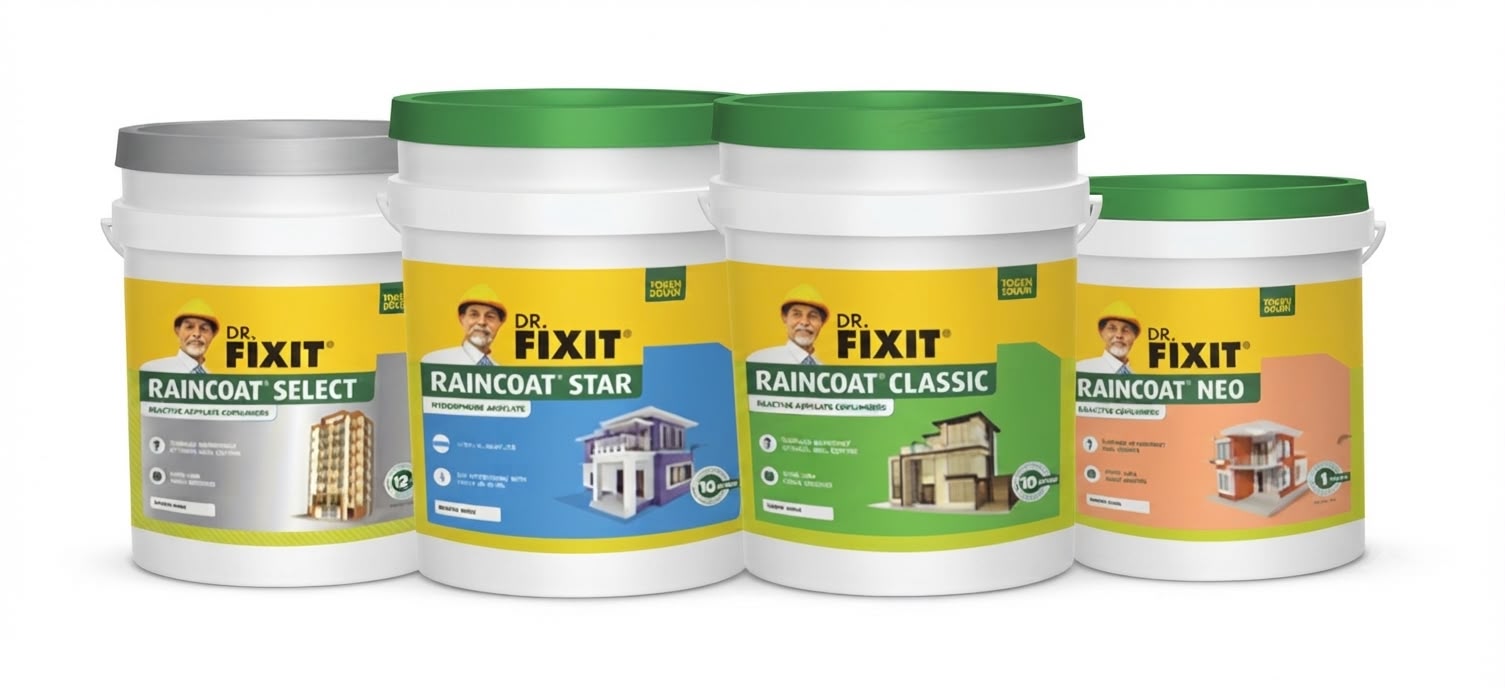 | Dr.Fixit * *Waterproof Coating: All products are designed to create a waterproof barrier for exterior walls. View product → |