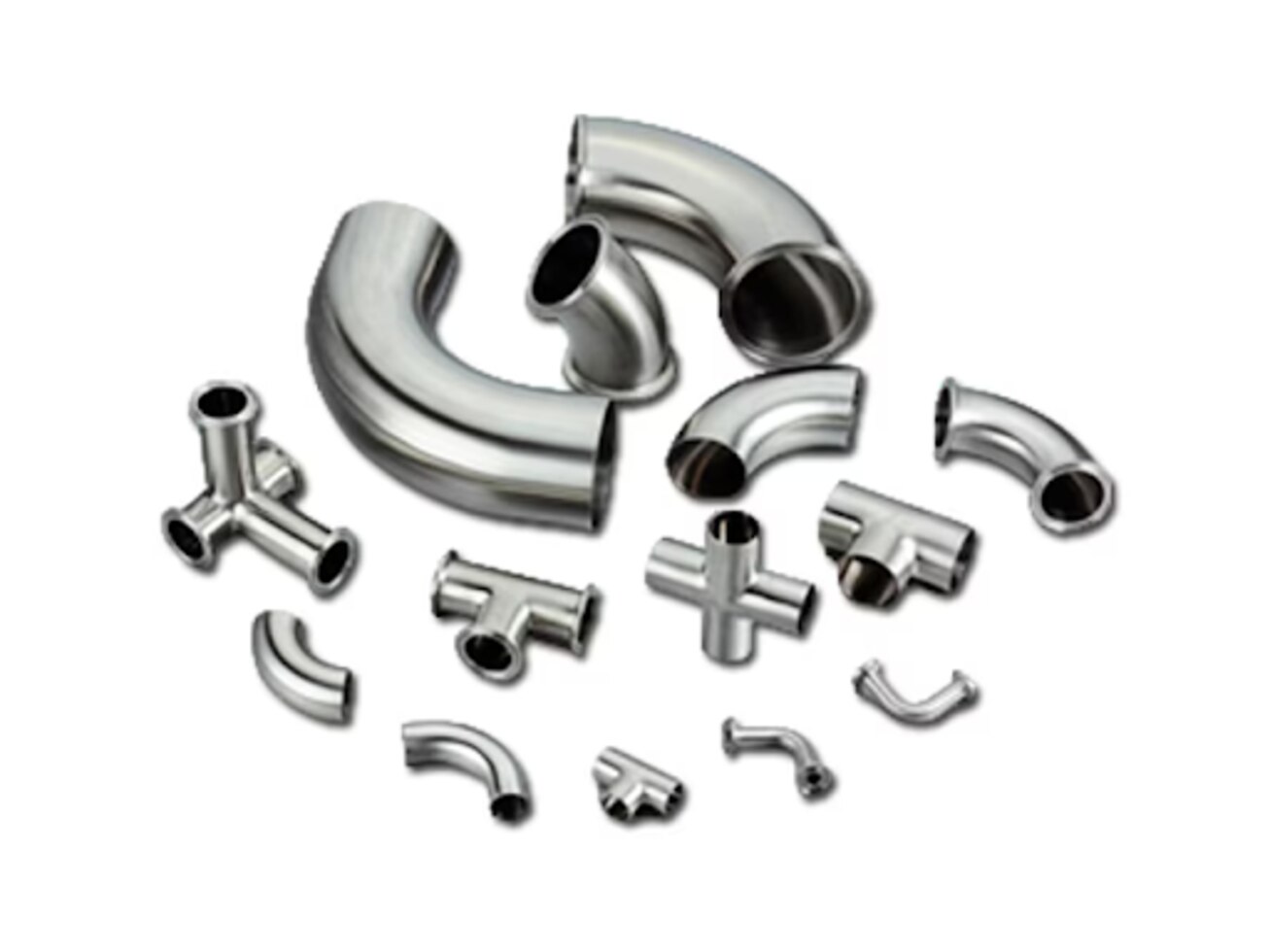
A dependable dealer must match Paras fittings to the pipe material, service, dimensions, joining method and pressure-temperature conditions—not simply quote a low unit price. By the end, you will have a practical method for checking dealer credentials, preparing quantities, comparing residential and commercial purchasing needs, and inspecting materials before they disappear behind walls or slabs.
Key takeaways
- Define the service: potable, hot water, drainage, rainwater, irrigation or chemical use.
- Match fitting size, pipe material and joint method before placing the order.
- Request traceable invoices, batch details and proof of authorised supply.
- Pressure-test installed lines before covering joints behind walls or floors.
Start with the plumbing application, not the brand name
A fitting for potable cold water is not automatically suitable for hot water, drainage, rainwater, irrigation or chemically aggressive service. Define the plumbing application first, then select Paras fittings that match the pipe system, joint method and operating conditions.
Record these requirements before asking a Paras pipe fittings dealer for a quotation:
- Water type and temperature, including potable cold water or hot water
- Pipe material and standard, such as CPVC, PVC-U, HDPE, PP-R, PEX, GI or copper
- Nominal size, outside diameter and wall thickness
- Required pressure rating or service class, including the design pressure and temperature
- Connection type, such as solvent weld, heat fusion, butt fusion, electrofusion, threaded, crimp or press
- Fitting quantities: elbows, tees, reducers, sockets, unions, adaptors, end caps, valves and flanges
Check the documentation, not just the pipe label. Indian references include IS 4985 for PVC potable-water pipes, IS 4984 for polyethylene water-supply pipes, IS 15778 for CPVC hot- and cold-water pipes, and IS 13592 for PVC-U soil and waste-discharge pipes. The pipe’s BIS standard does not prove that its fittings comply.
In a CPVC fittings supplier comparison, reject any quotation that omits the fitting standard, compatible pipe system, pressure rating, jointing material or batch information. CPVC solvent-weld fittings cannot replace PP-R heat-fusion or PEX press fittings because their nominal sizes look similar.
Ask for labelled packaging and joining instructions; the wrong cement or premature pressurisation can create a concealed leak.
Match size, pipe system and joint type before ordering
Confirm a Paras fitting will connect only when its dimensional standard, pipe material, pressure class and jointing method match the selected pipe. A similar nominal size printed on two products does not prove compatibility.
1. Identify the pipe system from its marking, purchase document or technical sheet. Record whether it is CPVC, uPVC, HDPE, PP-R, PEX, GI or another material, along with the pressure class and dimensional standard.
2. Measure the pipe’s actual outside diameter with a caliper. Check the wall thickness from the manufacturer’s data or a clean cut end; nominal size alone is not a reliable measure of bore or outside diameter across metric and inch-based systems.
3. Compare those measurements with the Paras fitting specification. Confirm that the fitting accepts the same outside diameter, wall thickness range and pressure rating. Ask the dealer to show the compatibility table rather than relying on a visual fit.
4. Match the joint type exactly. CPVC solvent-weld fittings need the correct CPVC primer and cement; PP-R needs heat fusion; HDPE needs butt or electrofusion; PEX needs the specified crimp or press system. These connections are not interchangeable because the nominal diameters appear similar.
5. Confirm preparation and service conditions before ordering. Ask about insertion depth, fusion temperature, cure time, sealing rings, transition adaptors and required tools. Do not pressure-test a solvent-weld joint before its stated cure period.
For concealed work, keep pipe, fittings, valves, transition pieces and joining materials within one documented system where possible. Mix brands only when the specifications and warranty terms explicitly permit it. A fitting that slides on is not proof of a safe connection.
Check whether the dealer is an authorised, traceable supply channel
A low unit price does not prove a dependable supply channel. Ask whether the seller is a current authorised Paras dealer and can issue a GST invoice naming the manufacturer, product designation, size, pressure or SDR class, quantity and batch or lot number.
At Shree Paint Studio, use those records to verify the product before it is installed, not after a concealed joint fails.
Before payment, ask for:
- A current manufacturer price list showing the exact Paras code, size and pack description; use it to detect substitutions.
- Batch traceability linking the fittings to a lot, dispatch record or manufacturer label; reject loose, unlabelled pieces.
- The manufacturer’s pressure-temperature table, maximum service temperature and intended service category.
- Drinking-water approval or conformity documentation for the specific product line and size; a pipe’s BIS standard does not prove its fittings comply.
- A written warranty process, technical complaint contact and required evidence, including installation method, pressure-test record and photographs before concealment.
| Check | Dependable Paras channel | General plumbing shop |
|---|---|---|
| Stock | Required sizes, joint systems and pressure classes available as a range | A few visible items, with substitutes or special orders |
| Documents | Invoice, batch details, product literature and conformity records | Verbal assurances or an incomplete cash memo |
| After-sales support | Named complaint contact and a defined inspection or replacement process | Responsibility ends at dispatch |
Keep every document with the pressure-test report; warranty claims often fail when compatibility or installation cannot be proved.
Related product
 | Paras Pipe Fittings Paras Pipe Fittings View product → |
Build separate buying schedules for homes and commercial sites
Calculate a residential plumbing bill of materials from the plan, not from a room-by-room guess. Count every elbow, tee, reducer, socket, union, valve, adaptor, end cap and flange by size and joint type; then add clearly recorded spares for cutting damage and future repairs.
Arrange delivery by work stage so fittings do not sit exposed on site.
Commercial plumbing procurement needs a controlled schedule linked to drawings and service zones. Reconcile pipe material, actual outside diameter, wall thickness, pressure class, valve and fitting standards, transition points, access requirements and spare quantities before requesting prices. A cheaper substitute with a different dimensional standard can interrupt an entire installation.
| Requirement | Residential project | Commercial project |
|---|---|---|
| Quantity check | Count fixtures, branches and valves against the plan | Reconcile the takeoff with drawings, service zones and approved schedules |
| Approval | Verify drinking-water conformity for potable lines | Submit a material submittal covering standards, pressure-temperature data and service category |
| Delivery | Use staged delivery for bathroom, kitchen and utility work | Require labelled, zone-wise site delivery with agreed dates and packing lists |
| Support | Get sizing and compatibility help before ordering | Require revision control, substitution review, technical complaints and replacement support |
For either project, separate potable cold water, hot water, drainage, rainwater, irrigation and chemical services. Ask the dealer to review the material submittal before purchase, and confirm that each fitting suits the pipe’s actual dimensions rather than its nominal size. Commercial sites also need a named contact for delivery shortages, damaged cartons and approved changes.
Inspect every fitting and plan testing before concealment
Do not accept a sealed carton without opening enough pieces to inspect the contents. A fitting that looks correct from the outside can have a cracked socket, damaged thread or missing seal, and that defect becomes expensive once the joint is buried.
Use this fitting inspection checklist at delivery:
- Match each fitting with the purchase order: manufacturer, product designation, nominal size, pressure or SDR class, quantity and joint type.
- Check sockets, threads, spigots, flanges and valve faces for cracks, distortion, deep scratches, burrs or contamination.
- Confirm that rubber rings and seals are present, flexible and free from hardening, cuts or cracks.
- Read the batch or lot marking and retain it with the invoice; reject loose, unlabelled items that cannot be traced.
- Check packaging and storage condition, including prolonged uncontrolled sunlight, heat, moisture or chemical exposure.
Plan a pressure test before closing chases, shafts or ceilings. Use hydrostatic testing for water piping unless the applicable code or manufacturer specifies otherwise; record the test medium, pressure, duration, isolated fixtures and allowable pressure drop. Never improvise compressed-air testing, because stored air energy can cause a violent failure.
Keep the invoice, batch details, product literature, pressure-test record, photographs of open joints and installation records. These documents support a product warranty claim and help separate a defective fitting from incompatible components or incorrect installation. Record the installer, date, jointing method and concealed-route photographs before covering the work.
Frequently asked questions
How should you choose Paras fittings for a plumbing application?
Start by identifying the service, such as potable cold water, hot water, drainage, rainwater, irrigation or chemically aggressive use. Then match the fitting to the operating conditions and pipe system.
What must you match before ordering pipe fittings?
Confirm the nominal size, pipe material or system, fitting dimensions and joint type, such as threaded, solvent-weld, push-fit or another specified connection.
What should you check when buying from a Paras pipe fittings dealer?
Ask for a proper invoice, product and batch details, packaging with intact seals and evidence that the supply channel is authorised and traceable.
How do buying schedules differ for residential and commercial plumbing projects?
A home project needs a complete room-by-room list and allowance for replacements. A commercial site needs phased quantities, approved product schedules, delivery timing, storage controls and records for inspections.
What should you do before concealing plumbing fittings?
Inspect every fitting for cracks, distortion, damaged threads and contamination. Complete the specified pressure or leak test, record the result and repair failures before covering the pipework.